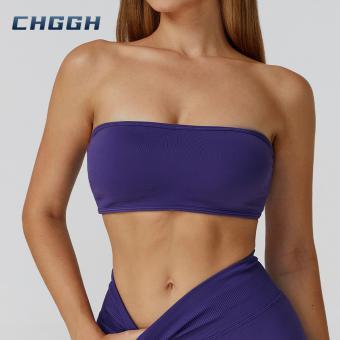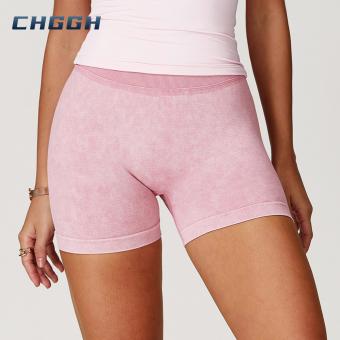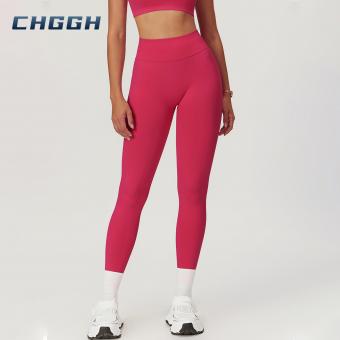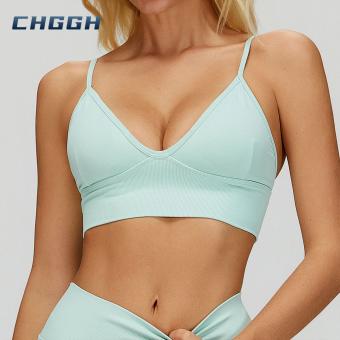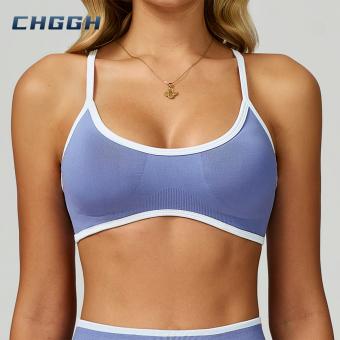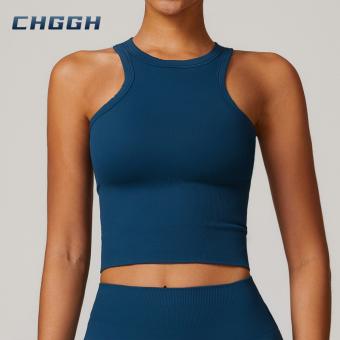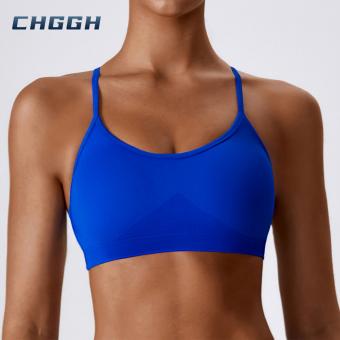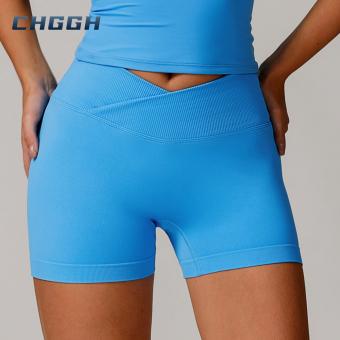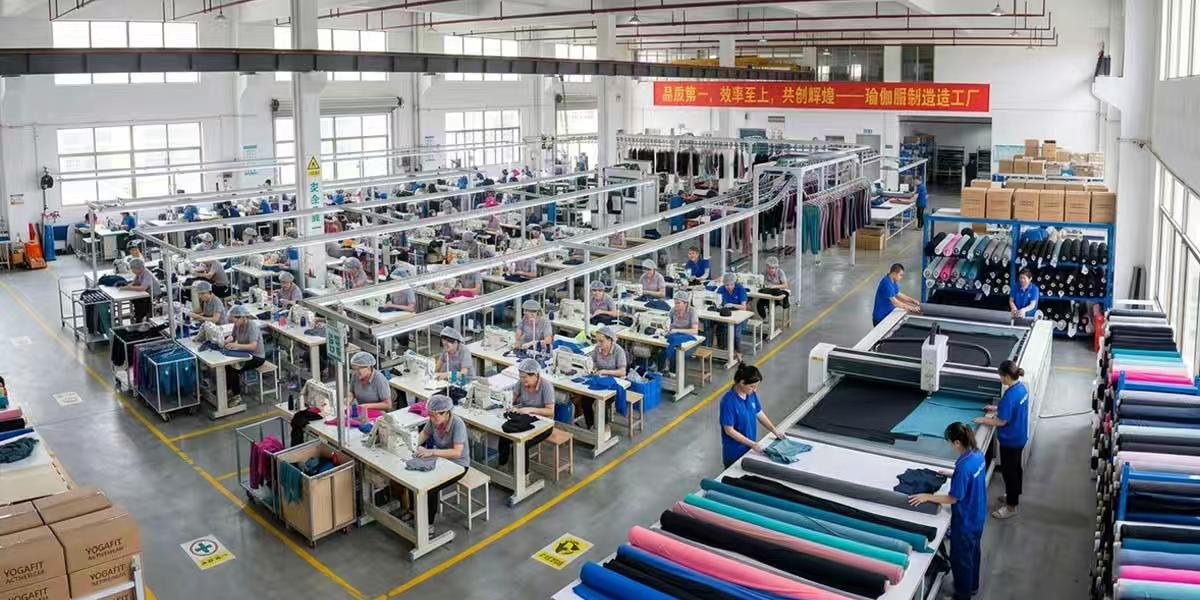
Modern yoga wear is no longer just active clothing — it is a combination of fabric engineering, ergonomic design, technical craftsmanship, and performance testing.
For brands across the United States, Europe, the United Kingdom, and Australia, product quality depends heavily on the manufacturing process behind each garment.
At our factory, every stage of production is managed through a structured workflow designed to ensure consistency, comfort, durability, and market-ready quality.
The manufacturing process begins with carefully selected performance fabrics.
Depending on product requirements, fabrics may include:
- Nylon & spandex blends
- Recycled polyester fabrics
- Seamless knitting materials
- Moisture-wicking functional yarns
Before production, fabrics undergo multiple tests, including:
- Stretch & recovery testing
- Color fastness testing
- Shrinkage control
- Breathability evaluation
This ensures that the final garments meet the performance expectations of modern activewear consumers.
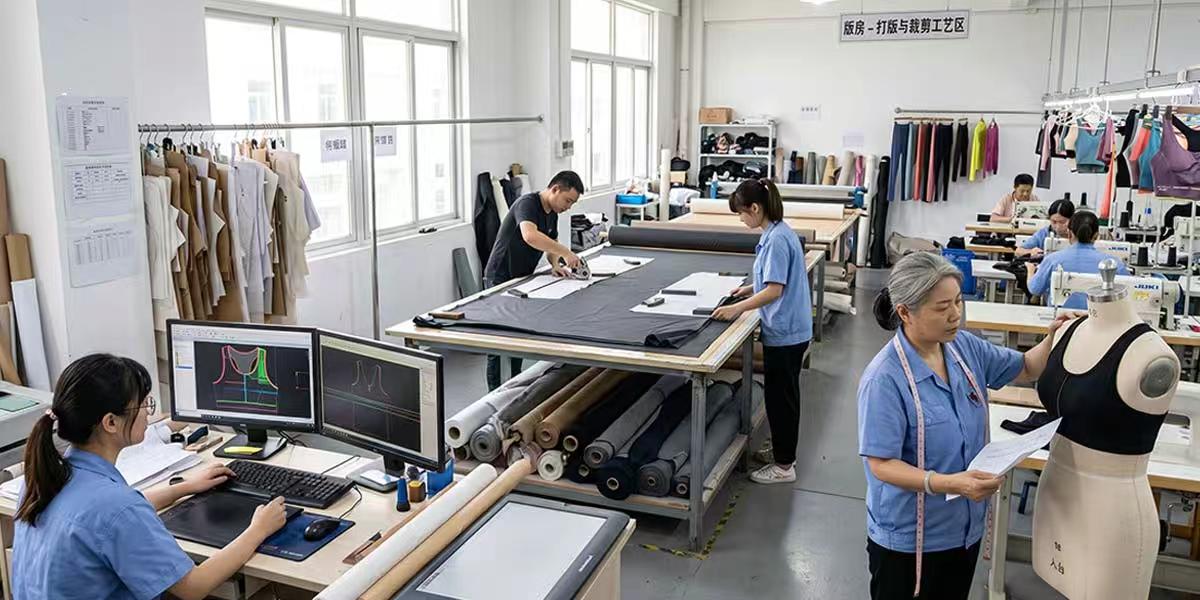
Professional yoga wear requires precise pattern engineering to support movement and body contouring.
Our development team creates:
- Ergonomic panel structures
- Compression zones
- Seam placement optimization
- Gusset and waistband construction
Samples are then tested for:
- Fit accuracy
- Movement flexibility
- Stitch durability
- Shape retention after wear
This stage is critical for balancing aesthetics with functional performance.
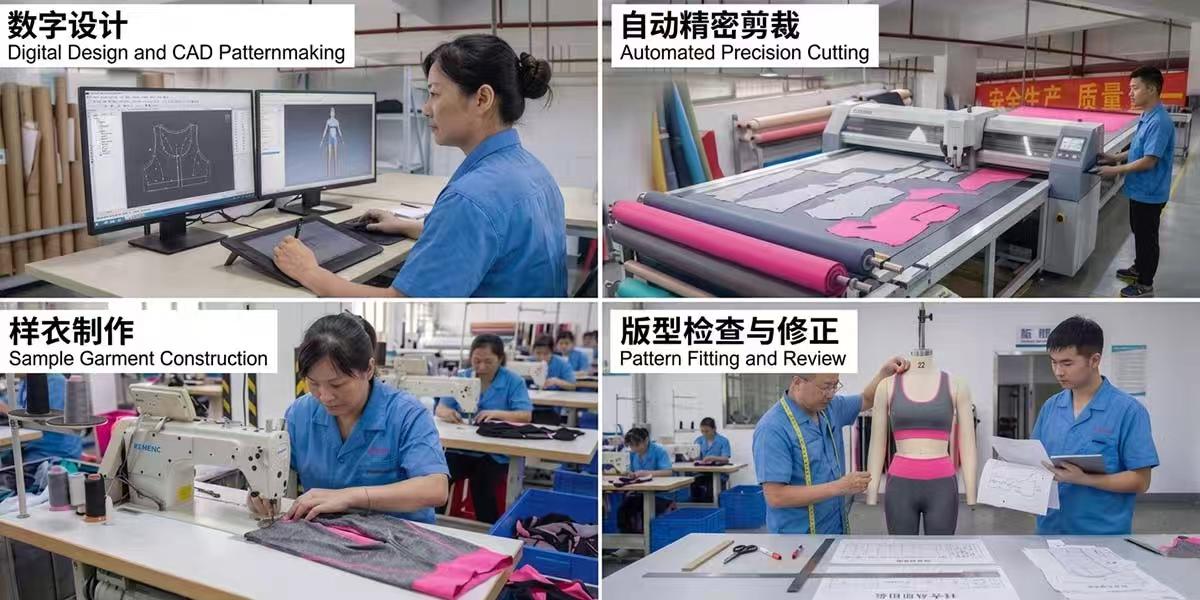
Once the sample is approved, fabrics move into the cutting process.
Using automated or semi-automated cutting systems allows:
- Greater size consistency
- Reduced material waste
- Higher production efficiency
Fabric grain direction and elasticity orientation are carefully controlled to maintain garment structure and fit performance.
Sewing is one of the most important stages in yoga wear manufacturing.
Depending on garment type, different techniques may be used:
- Flatlock seams for reduced friction
- Four-needle six-thread stitching for durability
- Seamless bonding technology
- Reinforced waistband construction
Professional seam engineering improves:
- Comfort during movement
- Garment durability
- Visual shaping effects
- Long-term wear performance
For OEM and private-label clients, garments may include:
- Heat transfer logos
- Silicone branding
- Embroidery
- Reflective prints
- Custom packaging solutions
At this stage, colour consistency and placement precision are carefully checked to maintain brand identity standards.
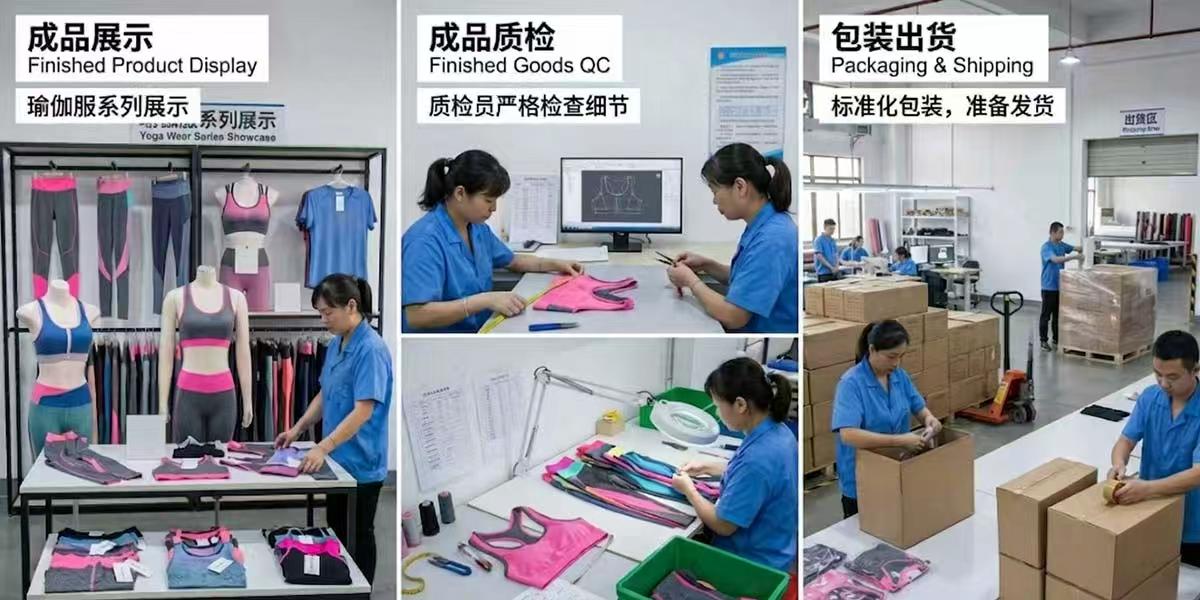
Before shipment, all garments pass through multiple quality control procedures, including:
- Stitch inspection
- Measurement verification
- Fabric defect checking
- Logo accuracy confirmation
- Packaging inspection
For export markets, additional compliance standards may include:
- OEKO-TEX® certification
- REACH compliance
- AZO-free dyeing verification
These standards help ensure product safety and international market acceptance.
In premium activewear markets, consumers increasingly expect products that combine:
- Technical functionality
- Lasting comfort
- Sustainable production
- Refined aesthetics
Achieving this level of quality requires more than fabric selection alone — it depends on disciplined manufacturing systems and experienced production management.
From yarn sourcing to final inspection, every process contributes to the performance and reliability of the finished garment.

Pakaian aktif, pakaian yoga, pakaian gim, pengeluar pakaian kecergasan
 Rangkaian IPv6 disokong